
Understanding woodland layers and bird territories

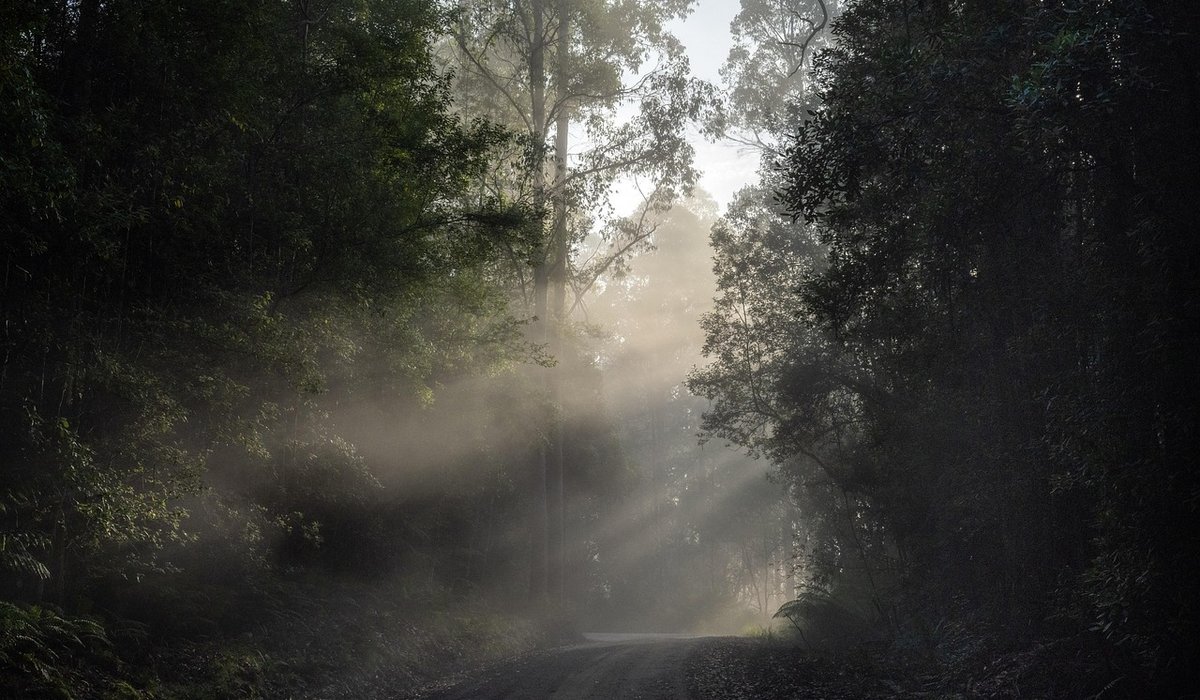
Why the woodland layers matter
Step into any British wood and you are entering a vertical city. The canopy, shrub layer, and field layer each offer different food, shelter, and nesting opportunities. Understanding these layers transforms a casual walk into a richer experience. You begin to predict which birds you will see and hear before you even lift your binoculars. An oakwood in May is not a single habitat but three stacked ones, and each has its own cast of characters.
Canopy: the high-rise specialists
The canopy is the woodland roof, formed by the crowns of mature trees. Here, sunlight is abundant, insects are plentiful, and birds can sing from on high. Look for movement among the leaves rather than silhouettes against the sky. Goldcrests, our smallest bird, flit at the very tips of conifers and broadleaves. Coal tits hang upside down on twigs. Chiffchaffs repeat their name from mid-canopy, while blackcaps deliver their rich, scratchy song from slightly lower. In western oakwoods, pied flycatchers and redstarts hunt from canopy perches. Listen for the thin, high calls of siskins and the chipping of crossbills in pinewoods.
- Best time: early morning, April to June, when leaves are still emerging and birds are vocal.
- Technique: tilt your head back, use 8x or 10x binoculars, and scan for leaf movement rather than full birds.
- Species to expect: goldcrest, coal tit, chiffchaff, blackcap, wood warbler, pied flycatcher, redstart, siskin.
Shrub layer: the busy middle storey
Below the canopy lies the shrub layer: hazel, hawthorn, blackthorn, bramble, and young saplings. This is the woodland's engine room. It offers dense cover for nesting and a larder of berries and insects. Many of our favourite songbirds live here. Dunnocks creep about in the shadows. Robins sing from low, exposed branches. Wrens pour out their explosive song from deep within a thicket. Blackcaps and garden warblers skulk in the foliage, while whitethroats prefer scrubby edges with brambles. Song thrushes and blackbirds nest here, though they often feed on the ground.
- Look for: flicking tails, brief hops between twigs, and silent movements at eye level.
- Listen for: short, sharp alarm calls that reveal a hidden bird or a passing sparrowhawk.
- Species to expect: dunnock, robin, wren, blackcap, garden warbler, whitethroat, song thrush, bullfinch.
Field layer: the ground floor and its birds
The field layer is the ground vegetation: grasses, ferns, bluebells, and low herbs. It supports insects, seeds, and soil invertebrates. Birds here are often cryptic and walk rather than hop. Woodpigeons clatter up from the undergrowth. Pheasants and red-legged partridges scratch among leaf litter. Mistle and song thrushes hunt snails on the woodland floor. Robins and dunnocks drop down to feed. In damp woods, woodcock probe the soft earth with their long bills. Nightingales, though scarce, sing from dense scrub at the field layer's edge. Even in a small garden, this layer is the lawn and border, where blackbirds tug at worms and wrens hunt spiders.
Reading song posts and boundary disputes
Male birds sing to advertise territory and attract mates. They choose song posts: prominent, exposed perches with good acoustics. A robin may use a low branch, a song thrush a high dead twig, a mistle thrush the very top of a tall tree. By noting these posts, you can begin to map territories. Walk slowly along a ride or path. Stop every hundred metres. Listen for a song, then locate the singer. Mark the spot mentally or on a sketch map. Move on until you hear another male of the same species. The gap between them is often a territorial boundary.
Boundary disputes are the key. When two males meet, they may countersing, flick their wings, or chase each other through the shrubs. These skirmishes often happen along a shared edge: a path, a stream, a hedge line. Watch for repeated chases in the same place. That is a border. Over several visits, you can draw a rough territory map. You do not need GPS; natural features are enough. Note the time of day and weather, as activity changes.
- Record: date, time, weather, species, song post height, and any chase locations.
- Repeat: visit at dawn and again late morning. Some birds sing more at first light.
- Be patient: territories shift as the season progresses. Early spring boundaries are not the same as midsummer ones.
Putting it into practice on your next walk
Choose a local wood or even a large garden. Walk a fixed route once a week from March to June. Start at dawn if you can. Stand still for five minutes at each of three or four points. Listen for songs from each layer. Note which birds are high, which are middle, which are low. Watch for song posts and chases. Keep a simple notebook. Over time, you will see the same individuals, hear their favourite perches, and learn where one territory ends and another begins. This is slow birdwatching, and it is deeply rewarding. You will also notice how garden layers mirror woodland ones: a tall tree, a shrub border, and a lawn can attract a surprising range of species. The more you understand the layers, the more the countryside opens up to you.

Joeby Ragpa
This template is so awesome. I didn’t expect so many features inside. E-commerce pages are very useful, you can launch your online store in few seconds. I will rate 5 stars.
ReplyAlexander Samokhin
This template is so awesome. I didn’t expect so many features inside. E-commerce pages are very useful, you can launch your online store in few seconds. I will rate 5 stars.
ReplyChris Root
This template is so awesome. I didn’t expect so many features inside. E-commerce pages are very useful, you can launch your online store in few seconds. I will rate 5 stars.
Reply