
Cleaning bird feeders safely to prevent disease

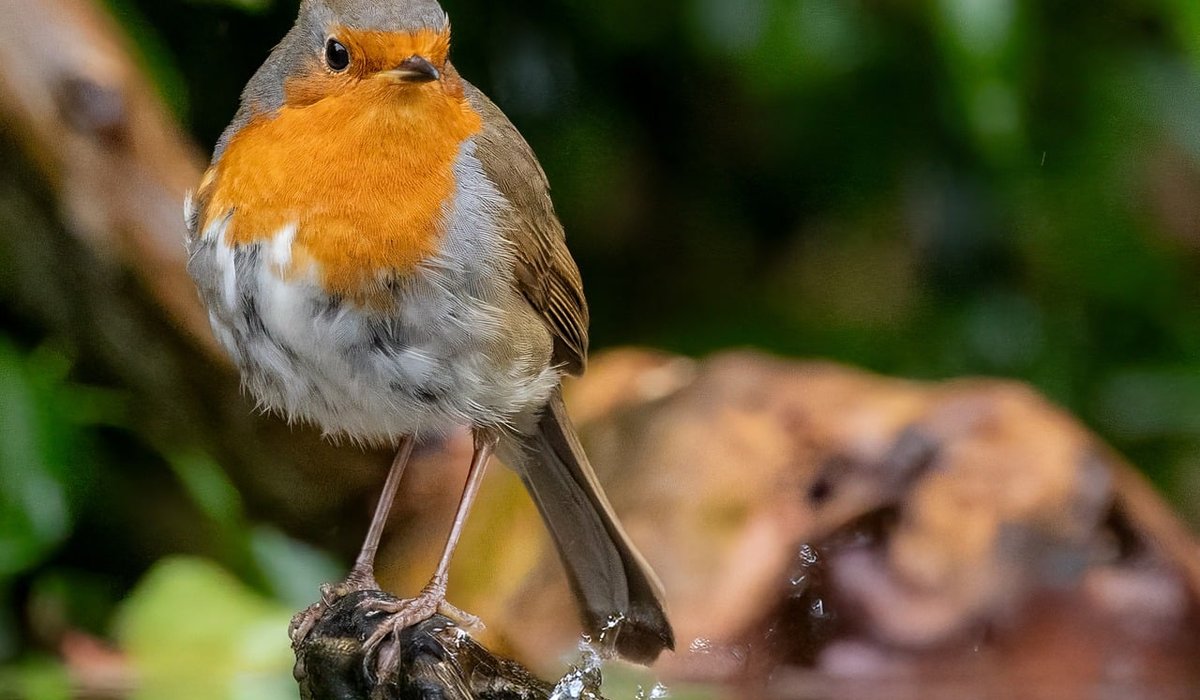
Why a weekly scrub matters more than you might think
When you hang a feeder in the garden, you are not simply putting out a handful of sunflower hearts. You are creating a meeting point where dozens of birds — often several species — share the same perches, the same port holes and the same food. Any infection one bird brings to that table can be passed on within hours, and it can linger on the surfaces long after the bird has flown.
The disease most familiar to British birdwatchers is trichomonosis, a parasite that causes a swollen throat, drooling and a fluffed-up, hunched posture, and which has done real damage to greenfinch numbers since it emerged in 2005. Salmonella and E. coli also turn up regularly, particularly in siskins and greenfinches in late winter, along with avian pox and a range of respiratory and fungal problems linked to damp, spoiled food.
The reassuring part is that almost all of this is manageable with routine. Hot soapy water, a decent brush and twenty minutes once a week will do more for your garden birds than any expensive feeder.
The weekly clean: hot, soapy and thorough
Pick the same slot each week — bin day morning works well for many people — and set aside enough time to do the job properly rather than a quick rinse.
- Take everything apart. Perches, ports, bases, baffles, seed trays. Cracks and joints are exactly where old food and droppings collect, and a feeder assembled is a feeder half cleaned.
- Use hot water and ordinary washing-up liquid. A dedicated bucket, a bottle brush for tube feeders and a stiff brush for trays will reach the awkward corners. Wear gloves.
- Scrub every surface until you can see bare plastic or metal, paying attention to the inside of the tube and the underside of the lid, where rain splashes droppings upwards.
- Rinse thoroughly in clean hot water. Soap residue is not something you want birds ingesting, and it can leave a film that traps moisture.
- For stubborn contamination, soak in a weak disinfectant solution suitable for animal feeders, then rinse again several times. If in doubt, rinse more than you think necessary.
Do this outdoors at a tap or in a utility sink rather than in the kitchen, and never where you prepare food. Pour the dirty water down an outside drain, not over the flowerbeds, and wash your hands thoroughly afterwards.
Dry it properly — and do not skip this bit
A damp feeder is a mouldy feeder. Damp seed clumps, sours and grows the kind of fungus that causes serious respiratory disease in birds, so drying is not a formality — it is half the job.
Shake off the excess water, wipe down with a clean cloth, then leave everything to air somewhere warm and airy until it is genuinely bone dry. A sunny windowsill or a greenhouse bench is ideal. If you are refilling the same afternoon, check the inside of the tube with your fingers: if it feels cool and clammy, it is not ready. Never top up a feeder with fresh seed over the top of old, damp leftovers.
Rotate your feeders and move the perches
One of the simplest hygiene measures is to own two sets of feeders and swap them over. While one set is in use, the other is washed, rinsed and drying at leisure. Nothing gets rushed, and nothing goes back out wet.
Rotating the feeders themselves around the garden is just as useful. Moving a feeder to a new hook, even a metre or two away, gives the ground beneath the old spot a rest and prevents a steady accumulation of droppings and discarded husks building up in one place. Move hanging perches and seed trays to different positions on the feeder too, so birds are not always gripping the same contaminated surface.
Spread the crowd out
Crowding is what turns a minor infection into an outbreak. A single busy feeder can attract a tight, jostling flock, and the closer birds sit together, the easier disease passes between them.
- Use several smaller feeders rather than one large one, spaced a few metres apart.
- Position feeders near cover but not so close that birds queue up in one bush.
- Clean the ground beneath feeders regularly — rake up husks and droppings, and rotate which patch you feed over.
- Consider a ground-feeding tray if you attract species that prefer to feed low, so food is not scattered over soil that stays damp.
When to stop feeding entirely
If you see birds looking unwell — fluffed up, lethargic, reluctant to fly, with drooling, swollen eyes or a visibly lumpy face — take every feeder down for at least two to three weeks. Clean and disinfect them all thoroughly before they go back out, and clear away any spilled food and droppings from the ground below.
It feels counterintuitive to withdraw food when birds need it, but a break interrupts the chain of transmission, and birds will disperse back to natural food sources in the meantime. Report unusually high numbers of sick or dead garden birds to the relevant wildlife health scheme, and keep feeding stations clean and dry all year round. A tidy feeder is, quite simply, a kinder feeder.

Joeby Ragpa
This template is so awesome. I didn’t expect so many features inside. E-commerce pages are very useful, you can launch your online store in few seconds. I will rate 5 stars.
ReplyAlexander Samokhin
This template is so awesome. I didn’t expect so many features inside. E-commerce pages are very useful, you can launch your online store in few seconds. I will rate 5 stars.
ReplyChris Root
This template is so awesome. I didn’t expect so many features inside. E-commerce pages are very useful, you can launch your online store in few seconds. I will rate 5 stars.
Reply