
Wildflower verges that support pollinators and birds

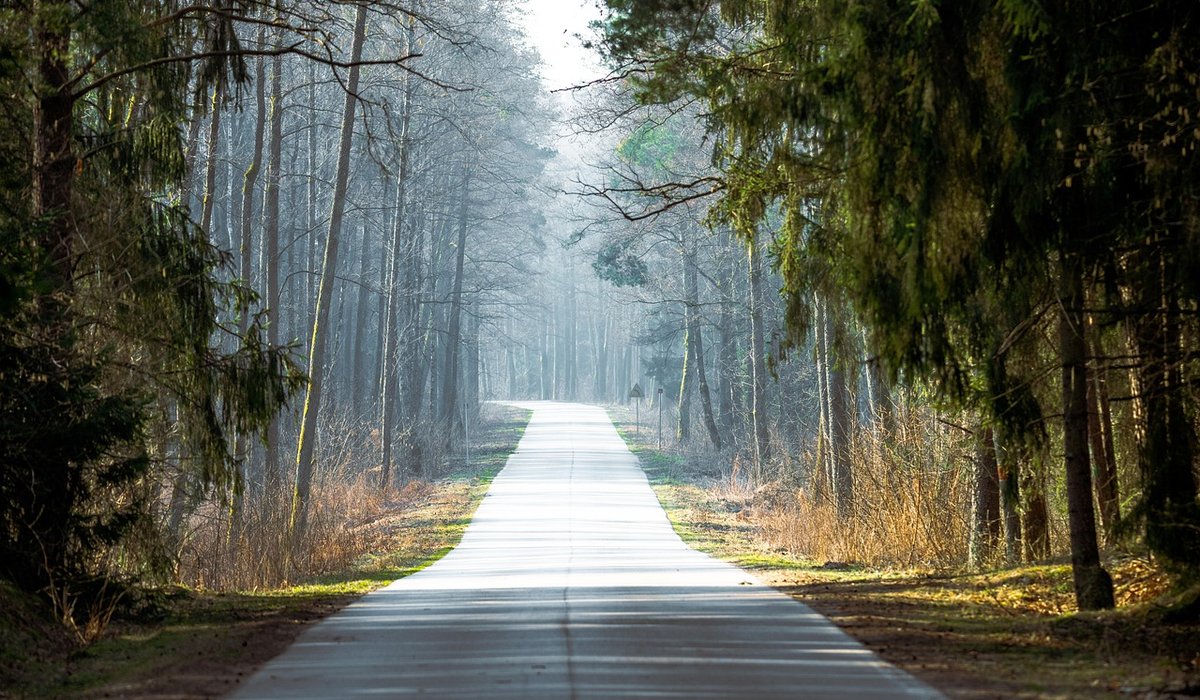
Why a scruffy verge is a wildlife powerhouse
There's a stretch of lane near me that the parish council stopped mowing a few years ago. The first summer it looked, frankly, a mess. By the third summer it was a ribbon of oxeye daisy, knapweed and yellow rattle, loud with bumblebees, and the local sparrows were working the seed heads by August. That is the whole argument for wildflower verges in one small patch of roadside.
Roadside verges, field margins, churchyard edges and the strip along a garden fence add up to an enormous area of land in Britain. Managed sensitively, they become corridors of native flowers that feed insects through the summer, and those insects feed chicks. Get the mowing regime right and you are supporting pollinators and birds at the same time, with almost no cost beyond a bit of patience.
Know what you have before you change anything
Before you reach for the mower or a bag of seed, walk the verge and see what is already there. Many verges sit on ancient, unimproved grassland with a seed bank that has been waiting decades for a chance to flower. Disturbing that is far better than sowing over it.
- Look for indicators of old grassland: cowslip, common spotted-orchid, quaking grass, salad burnet, lady's bedstraw.
- Note the thugs: nettle, docks, cow parsley in dense stands, and coarse ryegrass that suggest high fertility.
- Check the soil. If it is dark, crumbly and full of worms, it is probably too rich for wildflowers and will need a year or two of cutting and removing to knock it back.
- Ask who manages the verge. Parish councils, county highways teams and landowners all respond well to a polite, specific request — especially if you offer to help survey it.
On rich soil, yellow rattle is your best ally. It is a semi-parasite on grasses, thinning them and opening space for flowers. Sowing it into existing grass in autumn works surprisingly often.
The mowing regime that matters most
Timing is everything. The single most damaging habit is cutting the whole verge short in May and June, which removes the flowers before anything has fed on them and destroys nests in the tussocky base.
A good working pattern is a late cut, with everything removed. Let the verge grow through spring and summer, then cut in late August or early September once most flowers have set seed. Rake off the cuttings — leaving them smothers next year's growth and feeds the soil, which is the opposite of what wildflowers need. If a second tidy is needed, do it in late winter, before growth starts.
If a full season of growth looks untidy in a prominent spot, try a two-thirds rule: cut only two-thirds of the length in any one year, rotating which sections are left long. Even better, leave a strip nearest the hedge or wall completely uncut through winter so seed heads stand for birds.
Why insects mean chicks
Garden birds raise their young almost entirely on invertebrates, and the vast majority of those are caterpillars, aphids, sawfly larvae and other soft-bodied insects that live on native plants. A native wildflower margin is effectively a nursery. Blue tits, great tits, wrens and dunnocks will all work a flower-rich verge, and the closer it is to a nest box or hedgerow, the better.
- Knapweed, scabious and teasel draw in hoverflies and bees through midsummer.
- Bird's-foot trefoil supports common blue butterflies and a range of moths.
- Seed heads from teasel, thistle, knapweed and oxeye daisy feed goldfinches, linnets and greenfinches into autumn and winter.
- Standing stems left over winter give invertebrates somewhere to shelter, and the seed heads keep working when the ground is frozen.
If you have room, pair the flowers with a native hedge and a bit of rough tussocky grass at the base. That combination — flowers, hedge, tussock — is what turns a verge from a pretty strip into a functioning habitat.
Practical ways to get your verge going
Start small and work with what you have. A single metre of flowering verge is better than a grand plan that never happens.
- Leave the first cut late. Push the mower back a fortnight each year until you reach August.
- Remove cuttings. A tarpaulin and a rake is all you need. This is the step most people skip and it makes the biggest difference.
- Sow locally-sourced seed or plug plants only where bare ground exists. Ask about native seed of local provenance rather than generic mixes, which often include non-native or vigorous species.
- Add yellow rattle in autumn to weaken grass and let flowers in.
- Protect the edges. A light strim of the very front strip twice a year keeps sightlines clear and keeps complaints down.
- Put up a small sign. "Wildflower verge — cut late for bees and birds" turns confusion into support and often recruits neighbours.
- Record what you see. A simple list of flowers and insects each month is powerful evidence when you ask for a change in management.
Make it work all year round
A verges' value is cumulative. Year one looks patchy, year three looks established, year five can be genuinely rich. Keep the late cut and the winter seed heads, resist the urge to tidy in spring, and let the tussocks stand. The insects will come first, then the birds — and you'll notice the difference most on a warm July evening, when the whole strip hums.

Joeby Ragpa
This template is so awesome. I didn’t expect so many features inside. E-commerce pages are very useful, you can launch your online store in few seconds. I will rate 5 stars.
ReplyAlexander Samokhin
This template is so awesome. I didn’t expect so many features inside. E-commerce pages are very useful, you can launch your online store in few seconds. I will rate 5 stars.
ReplyChris Root
This template is so awesome. I didn’t expect so many features inside. E-commerce pages are very useful, you can launch your online store in few seconds. I will rate 5 stars.
Reply