
How to attract robins to a small garden

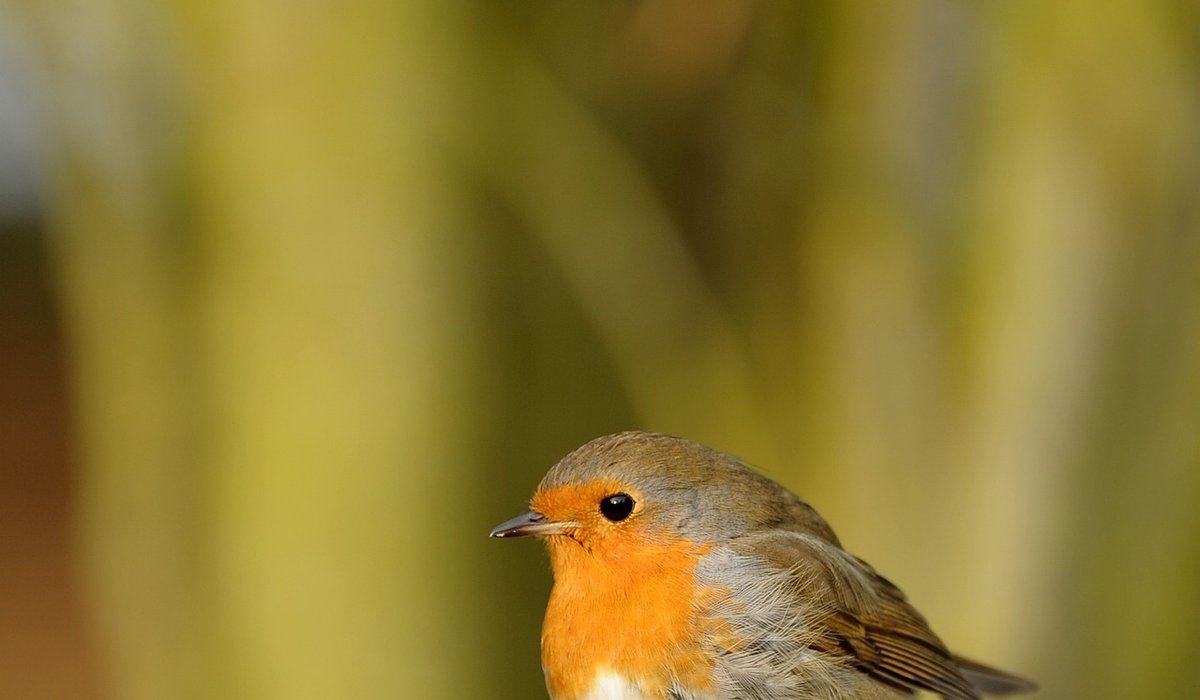
Few garden birds reward a little effort so quickly as the robin. It is bold, curious, and famously inclined to follow a spade around the border in the hope of a grub. But the robin that flits about your patio in November is not the same bird that will nest in your ivy in April, and getting it to stay rather than merely pass through takes a bit of planning. The good news is that everything a robin wants can be squeezed into even a very small garden.
Understand what a robin is looking for
Robins are woodland edge birds by nature. In the wild they live beneath a canopy, hunting for beetles, spiders, worms and caterpillars in damp, shaded leaf litter, and darting up to a low branch when disturbed. That tells you a great deal about how to please them.
They are not really feeder birds in the way that tits and finches are. They prefer to feed at or near ground level, they like somewhere low and leafy to retreat to within a metre or two, and they need damp, cool, undisturbed corners where invertebrates thrive. A tidy, dry, sun-baked lawn with nothing but a hanging feeder above it will not hold a robin for long.
Plant for shade, damp and low cover
Dense shrubs are the single most valuable thing you can provide. They give roosting cover on cold nights, a safe perch beside the feeding area, and nesting sites from March onwards. If space is tight, choose one good shrub rather than several sparse ones, and let it grow into a proper thicket.
- Holly, hawthorn, hazel or elder for native structure and insect life.
- Ivy left to clothe a wall or fence — excellent roosting cover and a nesting favourite.
- Honeysuckle, viburnum or pyracantha for flowers, berries and a tangle of stems to hide in.
- Ferns and native ground cover beneath the shrubs to keep the soil shaded and moist.
Leave a rough, shaded strip along a north-facing fence or behind a shed if you can. Even half a metre of damp, planted border, kept quiet and unweeded, will do more for robins than a hanging feeder.
Let the leaf litter lie
Every autumn many of us sweep, bag and bin the best robin larder in the garden. Fallen leaves hold spiders, beetles, woodlice and the small grubs that robins hunt through the winter. Sweep them off the lawn by all means, but pile them in a corner behind a shrub and leave them to rot down.
The same goes for a modest amount of mess elsewhere. Leave seed heads standing over winter, allow a few dead stems to remain in the border, and go easy on the strimmer in the wilder corners. Avoid pesticides and slug pellets entirely; a robin's diet is made of the very creatures these products remove, and poisoned slugs do real harm to birds.
Offer mealworms, and offer them well
Mealworms are the reliable way to a robin's affections. Live ones are taken with enthusiasm, but soaked dried mealworms work well too — soak them in warm water for twenty minutes or so, as dry ones can be hard to digest and offer little moisture.
- Use a shallow tray or dish at ground level, or a small open feeder on a low stump, rather than a hanging feeder.
- Put out small amounts often — a dozen or so at a time — so they are eaten before they spoil.
- Feed through winter and the breeding season, when adults are hunting constantly for growing chicks.
- Keep the dish clean, and never put out bread, milk or salted scraps.
Robins are quick to learn a routine. Put the worms out at roughly the same time each day and stand still a little way off; within a fortnight many birds will come to within a metre of your boots. Some will eventually take food from an outstretched hand, though it takes patience.
Provide a shallow dish of water
A robin bathes daily when it can, and in winter it needs drinking water even more than food. Choose a dish no deeper than two or three centimetres, with gently sloping sides and a stone or two in the middle so the bird can judge the depth safely.
Sink it at ground level among the shrubs if possible, refresh it daily, and scrub it out every week or so. In a hard frost, float a small ball on the surface or top it up with warm water each morning — a bird that cannot drink will not last a cold snap.
Think about nesting and the year ahead
Robins nest early, often in March, and will raise two or three broods if the season is kind. A open-fronted nest box fixed 1.5 to 2 metres up, shaded and screened by foliage, is readily used — as are old watering cans, kettles and ledges in a shed. Position it facing between north and east so it does not bake in afternoon sun, and keep well away from the busiest part of the garden.
Once a pair settles, leave them in peace. Keep cats indoors at dawn, avoid cutting hedges between March and August, and resist the urge to tidy the very corners that make the garden work. Do these few things and the robin that visits this winter may well be singing from your shrubbery next spring.

Joeby Ragpa
This template is so awesome. I didn’t expect so many features inside. E-commerce pages are very useful, you can launch your online store in few seconds. I will rate 5 stars.
ReplyAlexander Samokhin
This template is so awesome. I didn’t expect so many features inside. E-commerce pages are very useful, you can launch your online store in few seconds. I will rate 5 stars.
ReplyChris Root
This template is so awesome. I didn’t expect so many features inside. E-commerce pages are very useful, you can launch your online store in few seconds. I will rate 5 stars.
Reply