
Creating a wildlife pond for garden birds

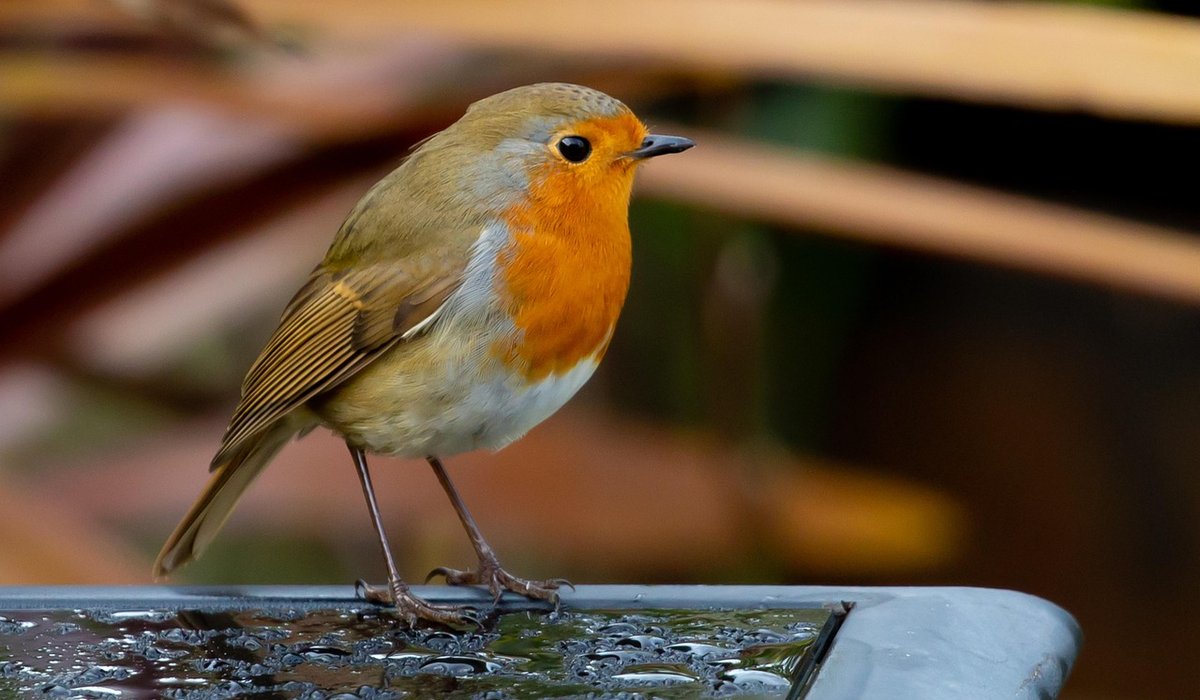
Why a pond is the best water you can offer
Every garden bird needs water, and it needs it every day of the year. Drinking is the obvious part, but bathing matters just as much: feathers only insulate properly when they are clean and aligned, and a good soak followed by a careful preen is how birds keep them that way. In winter, when puddles are frozen and gutters are dry, a pond that stays even partly open becomes the most valuable thing in the neighbourhood.
A birdbath does a job, but it does a limited one. It is small, it warms and cools fast, and it offers no cover, no insects and no plants. A pond with a shallow, gently sloping edge gives birds somewhere to wade, drink and splash in safety — and it quietly brings in frogs, newts, damselflies and a whole raft of insects that hungry nestlings need in spring.
Choosing the spot and the size
You do not need much space. A pond roughly 1.5 to 2 metres across will support a surprising amount of life, and even a half-barrel or a buried Belfast sink will do for a small courtyard. If you can manage it, dig to about 60–75 cm at the deepest point so that frogs and newts can overwinter in the mud without the whole thing freezing solid, with a broad shelf around the edge at just 5–10 cm deep.
- Site it in sun for at least half the day — warmth means more insect life and better plant growth.
- Keep it within two or three metres of a shrub or hedge so birds have somewhere to dash for cover, but avoid heavy overhanging branches that drop leaves and give cats a hiding place.
- Choose ground that is level and away from the base of mature trees, where roots make digging miserable and fallen leaves will fill the water.
- Make sure you can see it from a window. Half the pleasure is watching the first blue tit discover it.
Edges, beaches and safe access
This is where most garden ponds go wrong. A pond with steep, slippery sides is a trap. Birds need to walk in, not dive in, so build at least one gentle ramp or beach where the liner rises gradually to the surface. Line that slope with a shallow layer of gravel or a few flat stones, which give grip and let birds judge the depth as they go.
Add a scatter of stones around the rim, some sitting just proud of the water and some half-submerged, so a robin can hop down in stages. Leave a tuft of grass or a piece of log trailing into the water at one point as an escape route for hedgehogs, frogs and any small creature that falls in. A frog that cannot climb out will drown, and so will a hedgehog.
If children use the garden, a pond with a shallow beach and a firm edge is far safer than one with a hidden drop, but it still needs supervising. Never rely on a pond being "too shallow to matter".
Planting it with native species
Plants shade the water, starve algae of light and give insects somewhere to live. Use native species where you can, and plant in baskets of heavy loam rather than rich compost, which leaks nutrients and feeds algae.
- Marginals for the shallow shelf: marsh marigold, water forget-me-not, ragged robin, lesser spearwort, water mint and yellow flag iris.
- Deeper water: hornwort and water starwort, both excellent oxygenators that need no planting at all — just drop them in.
- Floating cover: a single water lily in a small pond is plenty; frogbit or water soldier suit tighter spaces.
- Around the edge: lady's smock, purple loosestrife and soft rush to soften the rim and shelter emerging insects.
Avoid invasive thugs such as parrot's feather and floating pennywort, which can smother a small pond in a season. If in doubt, leave it out.
Keeping the water clean and bird-friendly
Do not stock fish. They eat the larvae, tadpoles and insects that make a pond worthwhile, and they foul the water quickly. Do not use algicides, dyes or tap water treated with anything — birds drink what you put in. Rainwater from a butt is ideal for topping up; if you must use the tap, let it stand overnight and add it slowly.
Green water in a new pond is normal and usually clears by itself as plants establish. Barley straw bundles help in summer, and a mugful of pond mud from a healthy neighbouring pond introduces the microscopic life that balances everything. Skim fallen leaves in autumn before they sink and rot, and leave the pond alone through winter.
When ice forms, do not smash it — the shock can kill overwintering wildlife. Float a small ball, or stand a pan of hot water on the surface until it melts a hole. That opening is often the only drinking water for miles, and on a hard January morning you will see blackbirds, fieldfares and a queue of tits coming down for it.
A little wildness, well repaid
Give a pond a season to settle and it will start paying you back. First the birds, then the frogs, then the dragonflies patrolling at dusk. Keep it simple, keep it chemical-free, and let a little mess accumulate around the edges. The wildlife will do the rest.

Joeby Ragpa
This template is so awesome. I didn’t expect so many features inside. E-commerce pages are very useful, you can launch your online store in few seconds. I will rate 5 stars.
ReplyAlexander Samokhin
This template is so awesome. I didn’t expect so many features inside. E-commerce pages are very useful, you can launch your online store in few seconds. I will rate 5 stars.
ReplyChris Root
This template is so awesome. I didn’t expect so many features inside. E-commerce pages are very useful, you can launch your online store in few seconds. I will rate 5 stars.
Reply