
Walking quietly to avoid disturbing ground-nesting birds

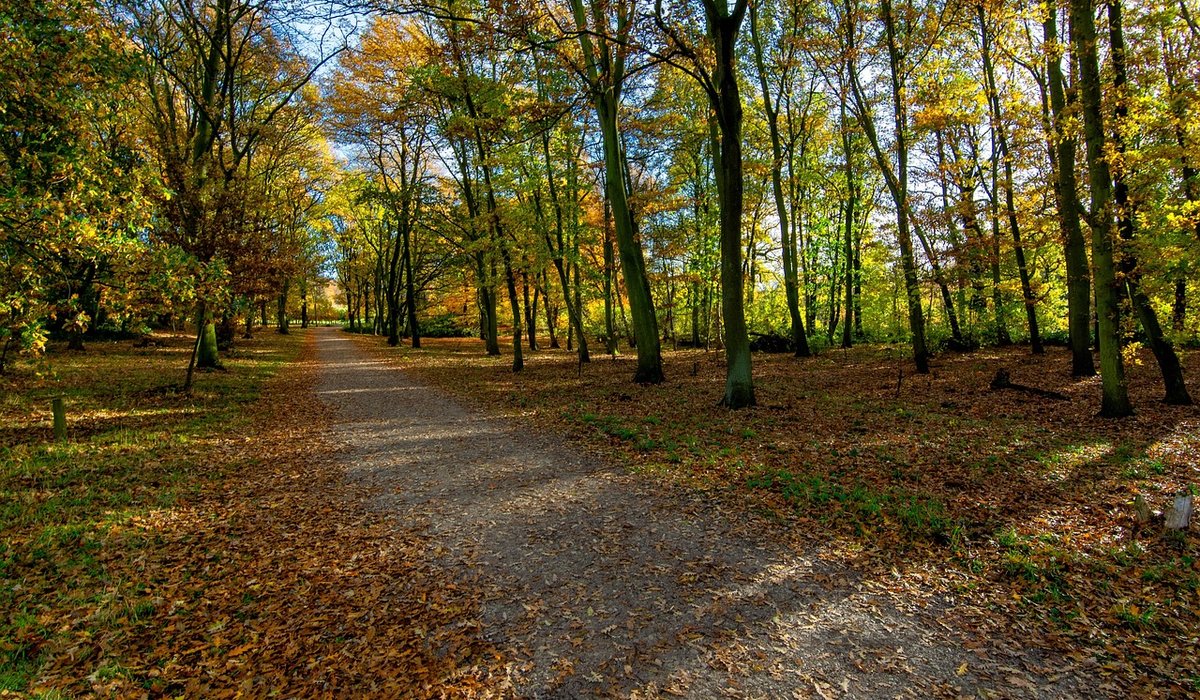
Few things lift a spring walk like the sound of a curlew bubbling over the moor, or the sight of a lapwing tumbling against a grey sky. Yet those same birds are often sitting on four eggs in a scrape of bare earth, a few metres from where we walk. Ground-nesting birds have no nest to defend, no height to escape to and, in many cases, only weeks to raise a brood before the weather turns. How we walk through their world in spring and early summer makes a real difference to whether those chicks fledge.
Why disturbance costs more than a moment
When an incubating bird is flushed, it leaves behind eggs that are suddenly vulnerable to cold, rain, crows, gulls, foxes and stoats. Even a short absence can chill a clutch or give a watching predator the cue it needs. The adult also pays a price: every unnecessary flight burns energy it should be spending on incubation or feeding chicks.
Young waders such as curlew and lapwing leave the nest within a day or two of hatching, but they cannot fly for several weeks. They rely entirely on camouflage and on their parents' warnings. Repeated disturbance scatters families, pushes chicks into the open and gives predators an easy meal. That is why a flushed bird is not a minor inconvenience — it is a warning that you are too close.
Know which birds nest on the ground
Ground nests turn up in more places than most people expect, including rough grass within a metre of a well-used path.
- Farmland and lowland grassland: skylark, meadow pipit, grey partridge, corn bunting, yellow wagtail, lapwing, curlew and snipe.
- Heathland and moorland: nightjar, woodlark, stonechat, whinchat, golden plover, dunlin, dotterel and twite.
- Beaches, shingle and dunes: ringed plover, oystercatcher, little tern and, in places, shelduck. Nests are often just above the tide line or in dune slacks.
- Wetland edges and saltmarsh: redshank, snipe, lapwing, mallard and moorhen, usually tucked into tussocks.
Breeding generally runs from mid-March to the end of July, with upland and beach-nesting species sometimes active into August.
Keep to paths, and keep dogs close
The simplest protection is also the most effective: stay on the path. Resist cutting corners at stiles, gates and field margins, because that is exactly where nests tend to be. On open access land, stick to established tracks rather than striking out across tussocky grass or dune slacks.
Dogs are a bigger issue than many owners realise. A dog running ahead can put up an entire field of lapwings without ever chasing them. Use a short lead — around two metres — wherever you are on moorland, heath, farmland, dunes or shingle between March and July, and keep it on the lead around livestock at any time. Recall is not reliable when a bird flushes noisily and a dog's instinct takes over.
Skip the drone, keep food and litter with you, and don't linger in one spot for long. Binoculars and a spotting scope let you watch a nest or chick from a safe distance; a photograph is never worth the risk.
Read the warning signs — and retreat
Birds tell you when you have gone too far. Watch and listen for:
- Repeated, urgent alarm calls — the chip-chip of a meadow pipit, the peewit of a lapwing, the piping of an oystercatcher.
- Birds flying towards you, hovering overhead or circling low and calling.
- A bird running away from you with a drooped wing or trailing it along the ground. This broken-wing distraction display means a nest or chicks are close by.
- A bird sitting tight and staring, unwilling to move even as you approach.
When any of this happens, stop. Then retrace your steps the way you came, quietly and without running, and take a wider line around the area. Do not press on to see what you have found.
If you find a nest or a chick
Move away immediately, without touching anything. Do not part the grass for a better look, do not take a photograph, and do not return later to check on progress. Note the spot only so that you can avoid it on the way back. If you are on a nature reserve, tell the warden so they can put up a temporary marker or sign. Otherwise, keep it to yourself — nesting locations shared online can attract disturbance or, sadly, egg collectors.
Good habits for the whole season
Walk early or late, when birds are less likely to be off the nest for long. Follow the Countryside Code and, in Scotland, the Scottish Outdoor Access Code: respect others, protect the natural environment and enjoy the outdoors responsibly. Close gates, keep to field margins and give obvious hotspots — shingle spits, dune slacks, wet flushes, moorland edges — a generous berth.
A quiet walk in the right place is more rewarding anyway. Give these birds their space and you will hear the bubbling calls, the tumbling displays and, with luck, the first fragile, fumbling flights of the season's chicks.

Joeby Ragpa
This template is so awesome. I didn’t expect so many features inside. E-commerce pages are very useful, you can launch your online store in few seconds. I will rate 5 stars.
ReplyAlexander Samokhin
This template is so awesome. I didn’t expect so many features inside. E-commerce pages are very useful, you can launch your online store in few seconds. I will rate 5 stars.
ReplyChris Root
This template is so awesome. I didn’t expect so many features inside. E-commerce pages are very useful, you can launch your online store in few seconds. I will rate 5 stars.
Reply