
The Real Difference Between Luck and Skill in Online Casino Games

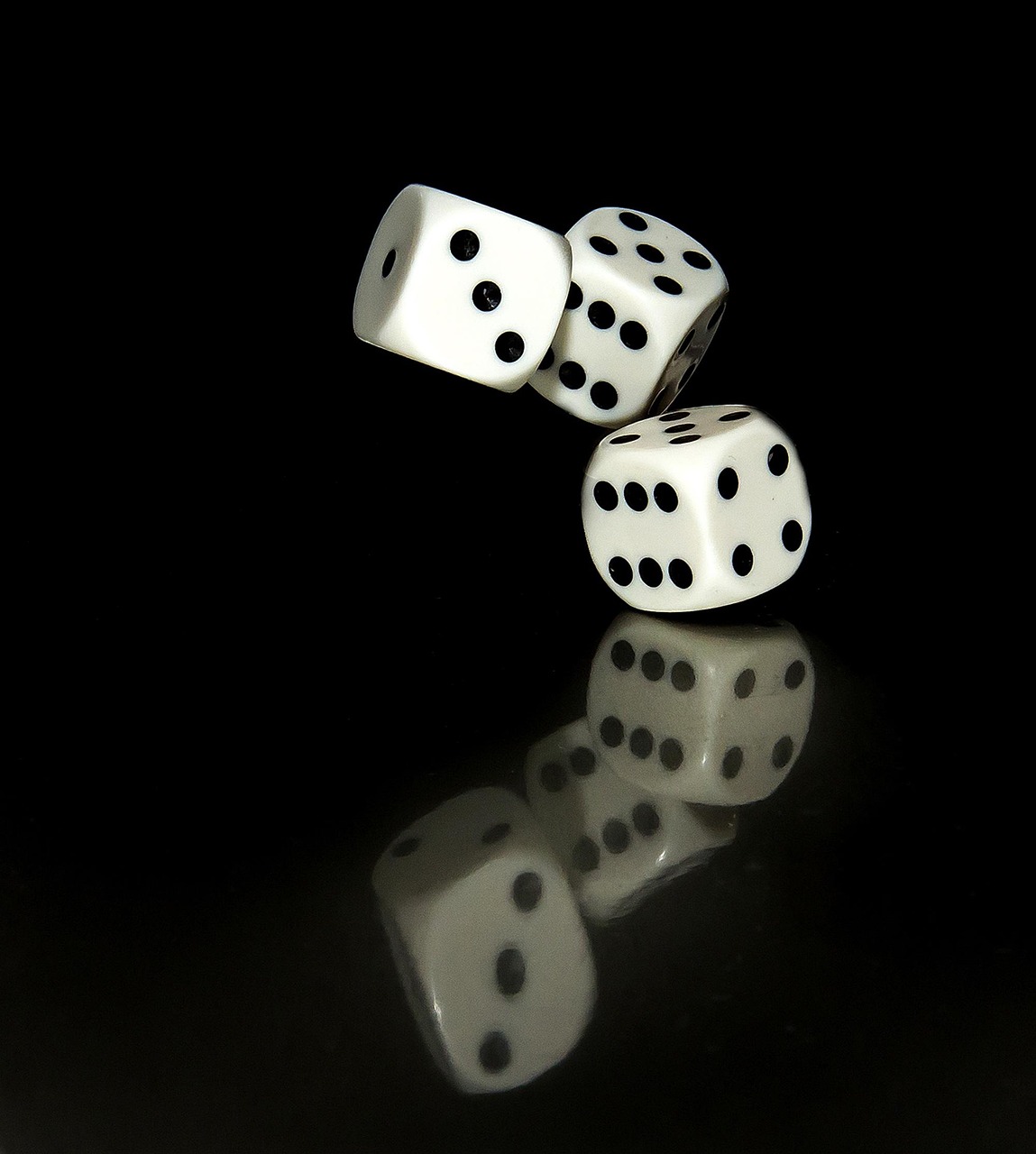
Every experienced player eventually has the same conversation. You are sitting at a table or grinding a slot machine when someone leans over and asks, "Is this game rigged?" It is a fair question, and the honest answer is more complicated than a simple yes or no. The online casino world runs on two very different engines: pure chance and applied skill. Understanding which game runs on which fuel is the single most valuable thing you can learn as a player. It changes how you budget, how you choose tables, and most importantly, how you handle the inevitable swings that come with betting real money.
Slots: The Mathematics of Pure Volatility
Slot machines are the most honest games in the casino because they do not pretend to be anything other than random. Behind every spin is a Random Number Generator (RNG) that cycles through thousands of outcomes per second. When you hit the spin button, it simply grabs the current number and maps it to a reel position. There is no hot streak building up and no cold machine that is "due" for a payout. That narrative is a story our brains invent because pattern recognition is what humans do best, even when no pattern exists.
What you can actually control is volatility and Return to Player (RTP). A low-volatility slot might pay out frequently but in smaller amounts, while a high-volatility game like Book of Dead or Money Train can eat your balance for hundreds of spins before dropping a massive multiplier. RTP typically sits between 94% and 97% on reputable platforms, but remember that number is calculated over millions of spins. In a single session, it means almost nothing.
- High volatility: fewer wins, bigger potential payouts, bankroll needed is larger
- Low volatility: frequent small wins, steadier bankroll, lower jackpot ceiling
- RTP above 96%: generally considered player-friendly in the current market
Poker: The Skill Game Hiding in Plain Sight
Poker is the outlier. It is the only major casino game where a skilled player can achieve a positive expected value over the long term. The reason is simple: you are not playing against the house, you are playing against other people. The casino takes a rake, but that rake is small enough that strong players still profit. In Texas Hold'em, the gap between a novice and a thinking player is enormous. A disciplined player understands position, pot odds, and range construction. A recreational player chases draws with bad odds and bluffs into calling stations. There is a useful overview at 23WIN.
Consider a scenario that plays out thousands of times a day on online tables. You hold A-K suited on the button. A tight player in early position raises, and you three-bet. The flop comes K-7-2 rainbow. Your opponent checks, you bet two-thirds of the pot, and they call. On the turn, an offsuit ten appears. They check again. You fire a second barrel, and they fold. That hand was not won by luck. It was won by reading the situation, applying pressure, and understanding that your range was stronger than theirs on that texture.
Blackjack and Roulette: Where Strategy Shaves the Edge
If slots are pure chance and poker is pure skill, blackjack and roulette sit in the middle. Roulette is essentially unbeatable in the long run. Every bet on a single-zero European wheel carries a 2.7% house edge, and no betting system changes that. Martingale, Fibonacci, Labouchere - they all eventually collide with the table limit or your bankroll. The math does not care about your progression. Anyone weighing up options should see 23 WIN.
Blackjack is different. Basic strategy, the mathematically optimal way to play every hand, can push the house edge down to around 0.5% on a good rule set. That still means the house wins over time, but it is a dramatically better deal than the 2% to 8% edge you find on most slots. Card counting can theoretically flip the edge in your favor, but online live dealer games shuffle too frequently for that to work reliably. What basic strategy does give you is more time at the table and fewer unforced errors.
Why Bankroll Management Matters More Than Game Choice
Here is a truth that experienced players know and beginners ignore: the game you choose matters less than how you manage your money. A grinder with a 95% RTP slot and strict stop-losses will last longer than a reckless player on a 99% RTP blackjack table. The reason is variance. Even a game with a positive expected value can wipe you out in a short session if you bet too large relative to your bankroll.
A practical rule used by serious players is the 1% to 2% rule. If you deposit $500, your standard bet should be between $5 and $10. This gives you 50 to 100 betting units, which is enough to survive normal downswings without panic. For high-volatility slots, many players stretch that to 0.5% per spin. For poker cash games, buying in for 100 big blinds is the industry standard for a reason - it gives you room to play properly without being forced into desperation shoves.
The Psychological Trap of "Almost Winning"
Near misses are deliberately engineered into modern slot design. When two scatters land and the third just barely misses, your brain releases a small hit of dopamine similar to an actual win. This is called a near-miss effect, and it is one of the most studied phenomena in gambling psychology. It keeps you spinning when logic says you should stop. The same principle applies to sports betting when your accumulator fails on the last leg, or when you bubble the final table of a poker tournament.
Recognizing these triggers is the first step to playing with a clear head. Set a timer. Decide before you start how much you are willing to lose and how much profit you will walk away with. If you double your deposit, consider pulling the original amount out. That single habit has saved more bankrolls than any strategy chart ever printed.
The Bottom Line
There is no secret formula that turns slots into a reliable income stream, and anyone selling one is lying. But there is a real difference between players who understand variance, RTP, and game selection and those who chase losses on a hunch. Poker rewards study and discipline. Blackjack rewards memorization and patience. Slots reward nothing but luck, so treat them as entertainment, not investment. The house always has an edge in the long run, but the players who last are the ones who respect the math instead of fighting it.

Joeby Ragpa
This template is so awesome. I didn’t expect so many features inside. E-commerce pages are very useful, you can launch your online store in few seconds. I will rate 5 stars.
ReplyAlexander Samokhin
This template is so awesome. I didn’t expect so many features inside. E-commerce pages are very useful, you can launch your online store in few seconds. I will rate 5 stars.
ReplyChris Root
This template is so awesome. I didn’t expect so many features inside. E-commerce pages are very useful, you can launch your online store in few seconds. I will rate 5 stars.
Reply